SAGE study mission to Japan: aged care, robotics and intergenerational models
Tokyo, Japan · July 5 - 11, 2026
From 5 to 11 July 2026, an Australian delegation of 9 delegates convened by SAGE Study Tours carried out a seven-day study mission in Tokyo and Kanagawa Prefecture, organised by Dialog Health, on Japanese models of care for older people: care robotics, senior facilities and intergenerational models.
From 5 to 11 July 2026, a delegation of 9 Australian delegates convened by SAGE Study Tours carried out a seven-day study mission in Tokyo and Kanagawa Prefecture, organised by Dialog Health. The professional programme ran over five days, from 6 to 10 July, between the welcome on 5 July and departure on 11 July.
Mission objectives
The delegation set out to understand how Japan funds and organises care for older people: the role of long-term care insurance, the range of residential options, the use of robots and digital tools in care work, and models that open facilities to children and the neighbourhood.
Opening seminar: the Japanese system in context
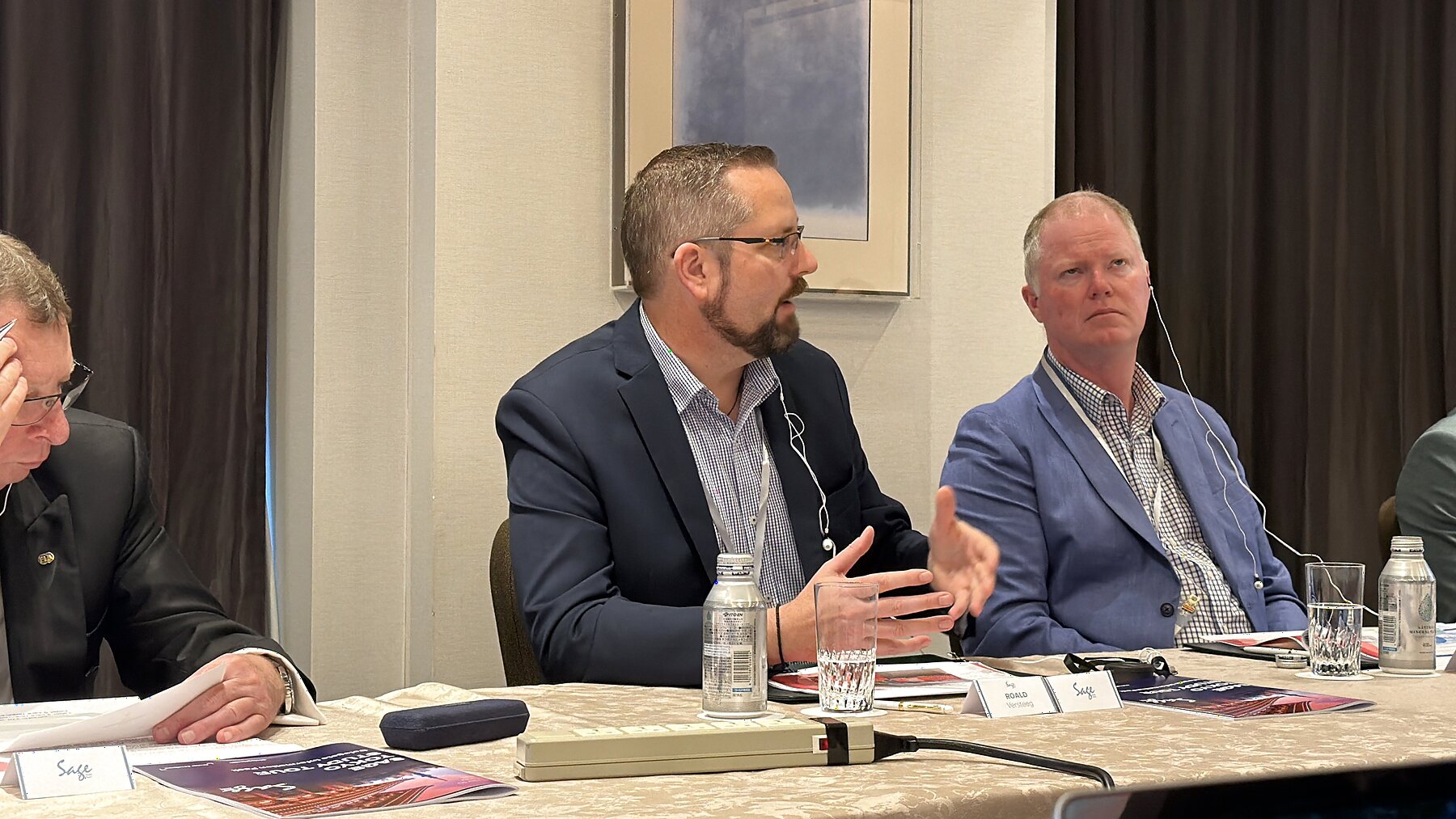
The programme opened with a SAGE seminar. Judy Martin welcomed the delegation; Maya Yamazaki presented how Japanese aged care is funded and financed; Gustav Strandell outlined the sector’s current challenges; and Philippe Auvaro gave a contextual overview. This framing served as a reference for the visits that followed.
Robotics and digital tools in everyday operation
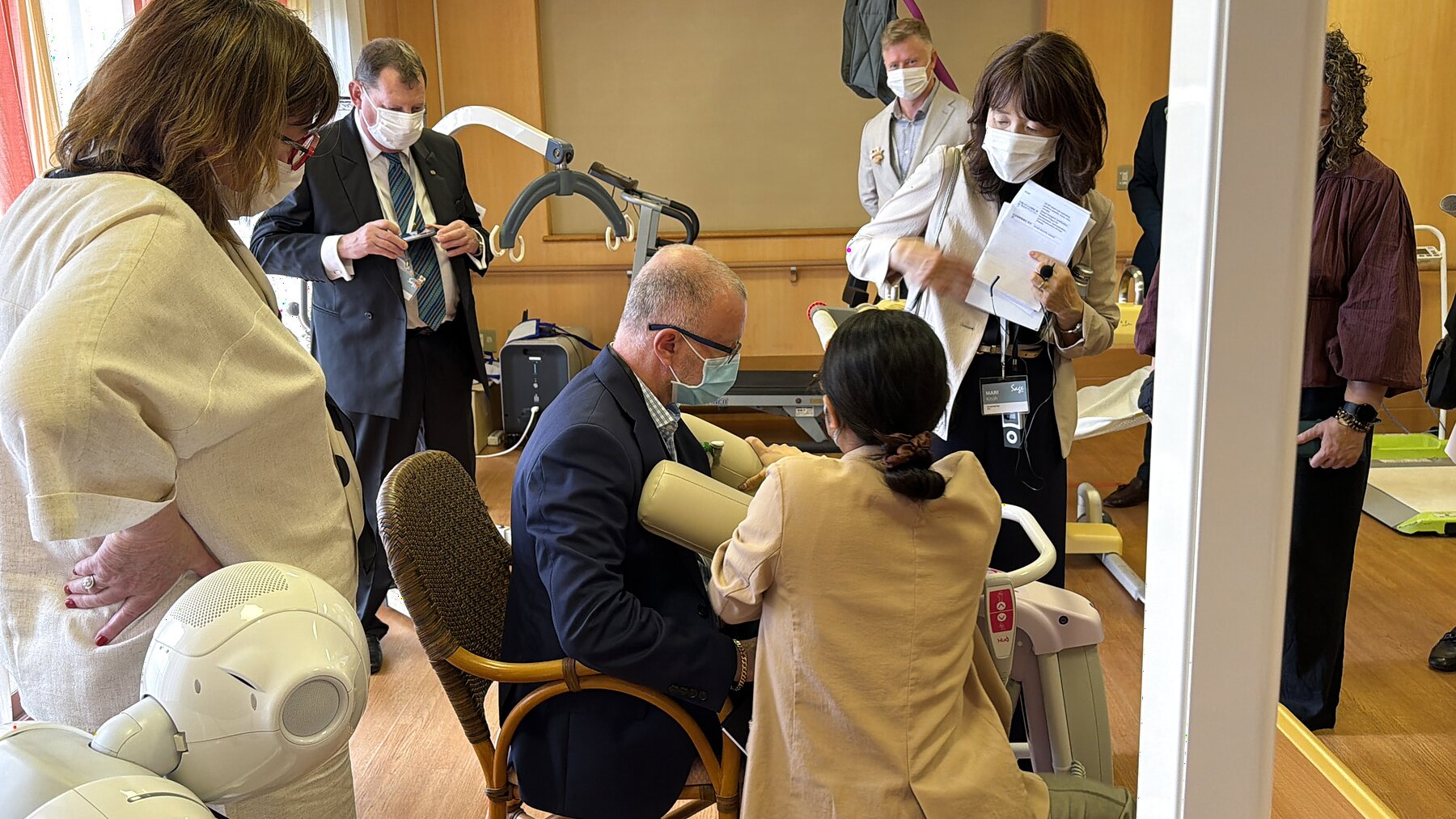
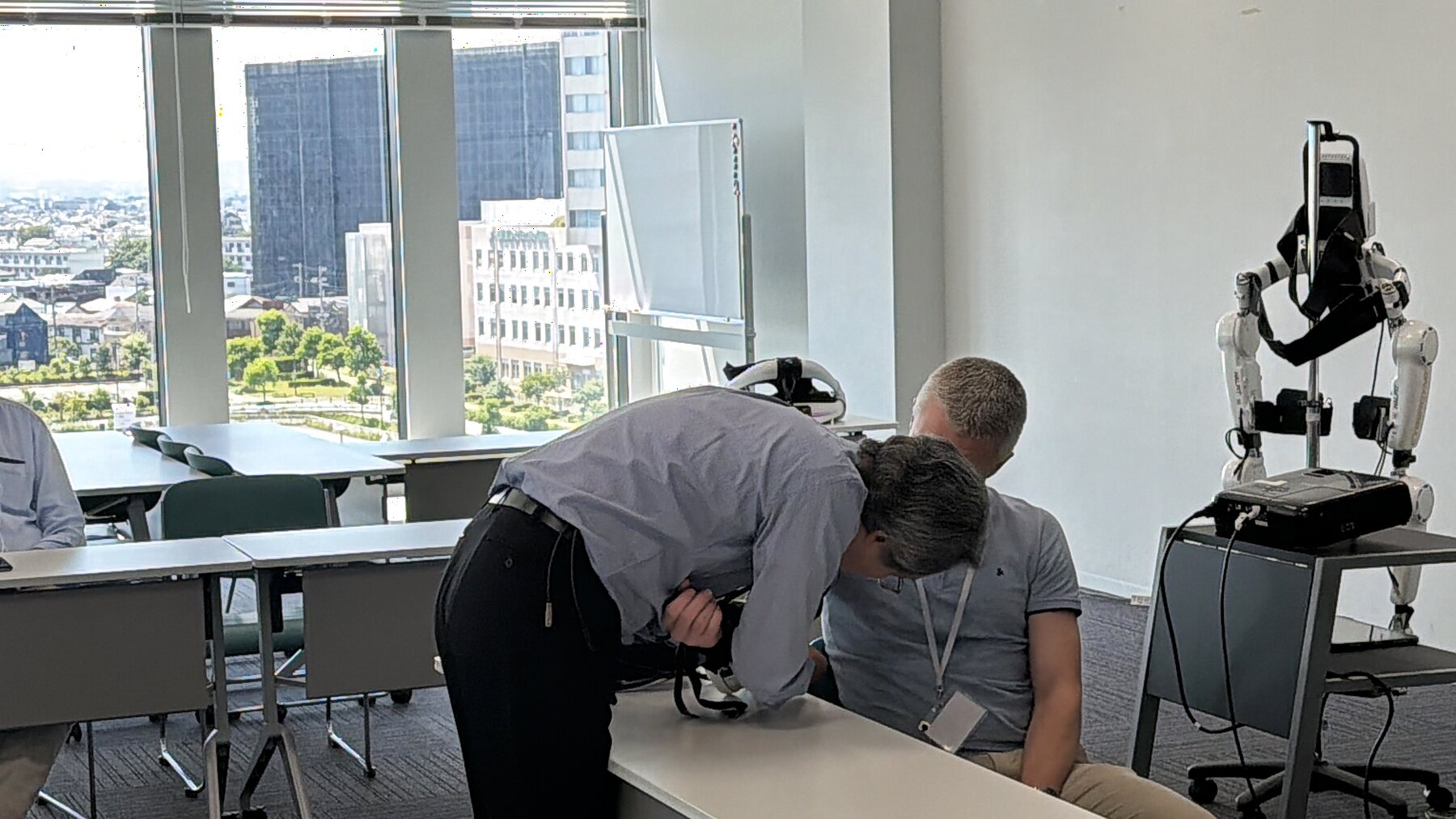
At Zenkoukai and Zenkou Research Institute, a presentation of the two organisations’ initiatives was followed by a guided facility tour, demonstrations of care robots and digital systems in operation, and a Q&A session. At the Shonan Robot Care Center (CYBERDYNE), the delegation toured the centre, attended a presentation and tried the HAL device first-hand before an exchange.
Senior residences and care facilities
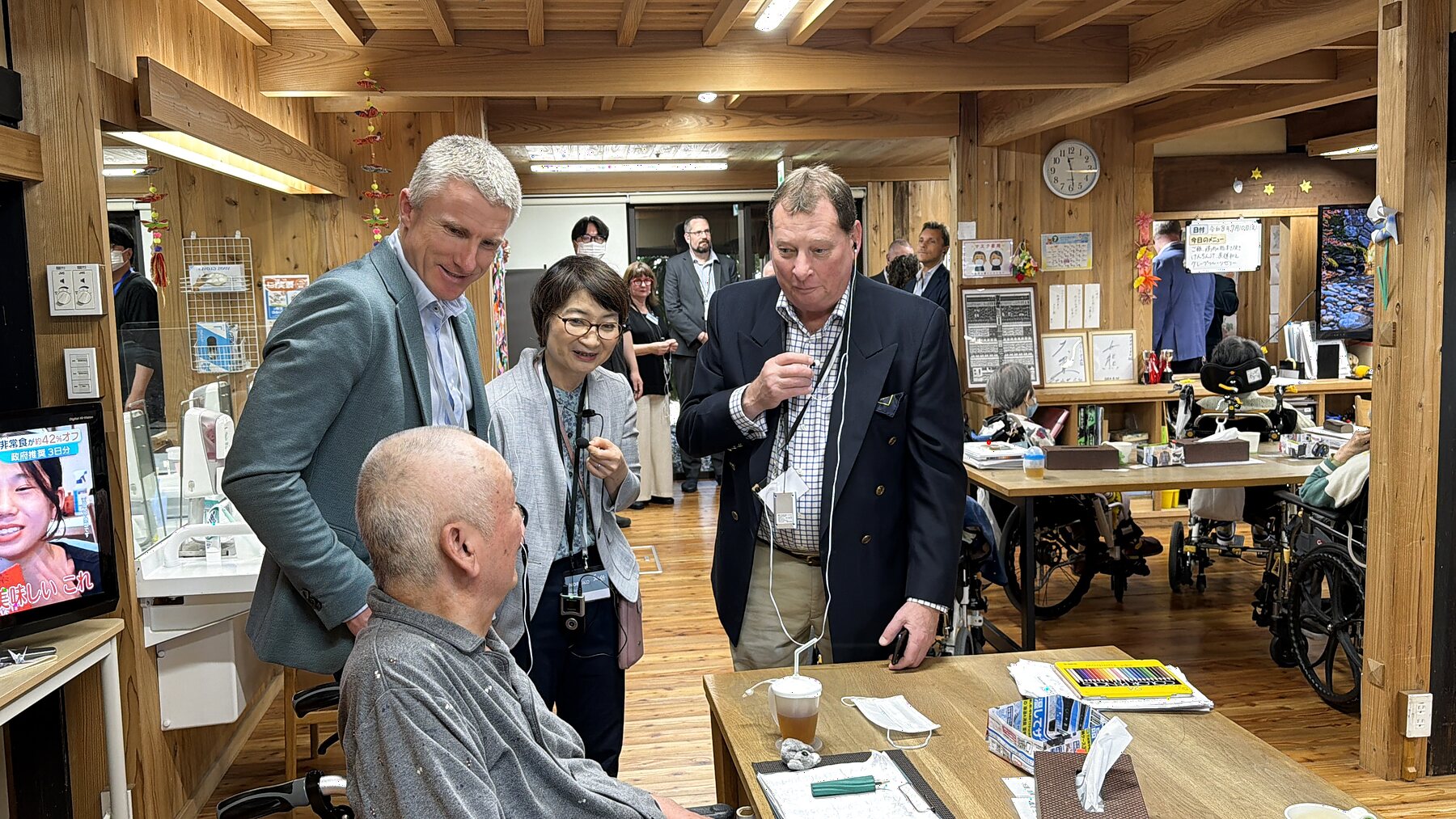
In Tachikawa, the delegation visited and observed two facilities: Sun City Tachikawa and Excellent Tachikawa Premium. In Fujisawa, Camelia Fujisawa presented its organisation before a facility visit and lunch at its café. At MedAgricare, a presentation of its AgriCare approach preceded questions and a tour; at As Partners, a presentation of the operator was followed by Q&A and a tour.
Intergenerational and neighbourhood-based models
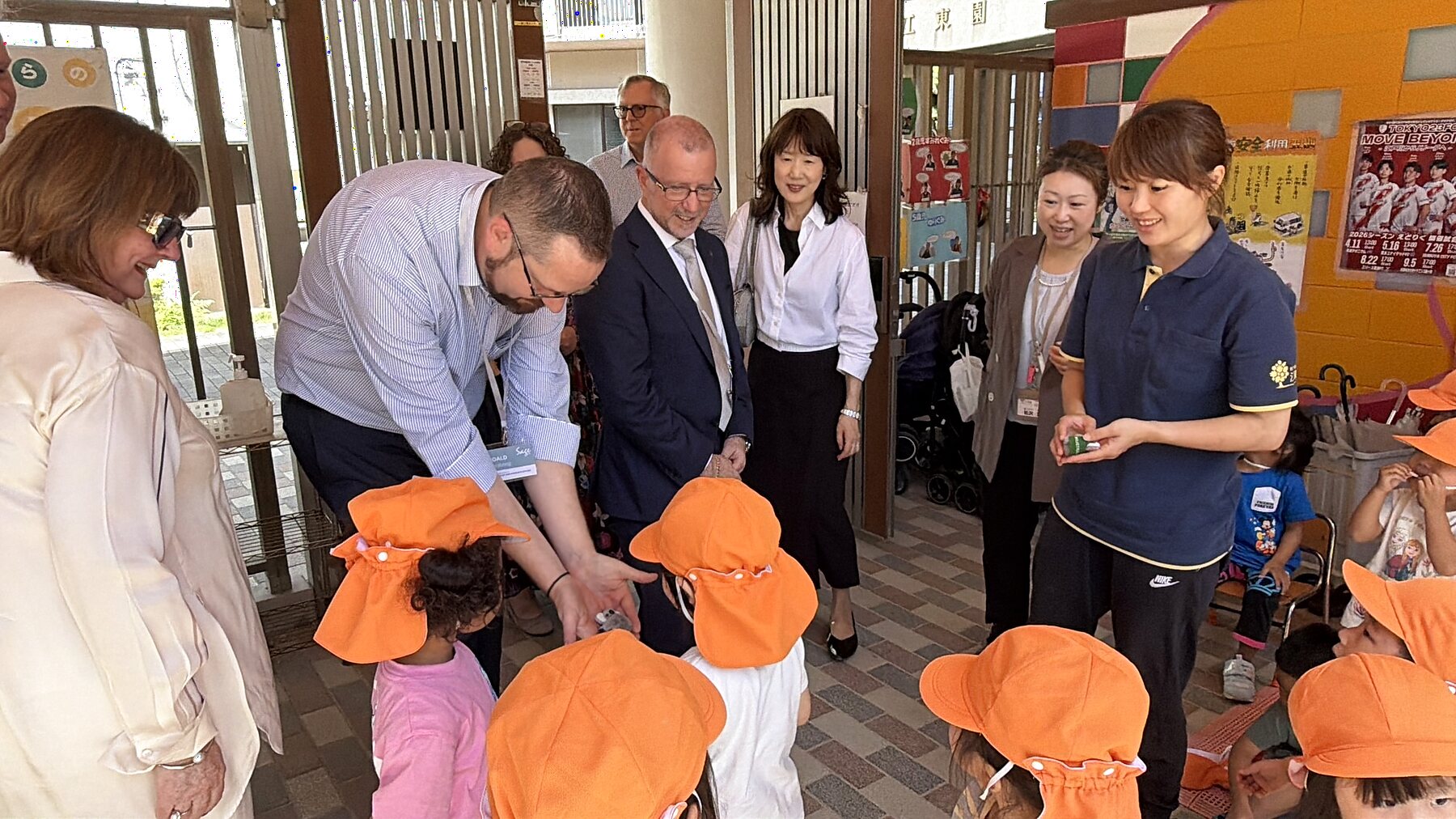
At Kotoen, after an introduction, the delegation observed an intergenerational radio-exercise session (rajio taisō) bringing together children and older people, then toured the nursing home before a Q&A. At AOI Care, a guided tour was followed by an exchange at Nobishiro Café and a wrap-up session.
Cultural visit
Outside the professional programme, the delegation made a cultural visit to Yasukuni-jinja.
Points for reflection
The visits offered concrete points of comparison with the Australian context: how public funding relates to residential provision, the conditions under which technology is used in day-to-day care work, and the place given to links between generations. These remain open questions for participants to explore further.
The program
- SAGE opening seminar. Welcome by Judy Martin; funding and financing of Japanese aged care (Maya Yamazaki); current sector challenges (Gustav Strandell); contextual overview (Philippe Auvaro).
- Zenkoukai and Zenkou Research Institute. Presentation of initiatives, guided facility tour, demonstrations of care robots and digital systems in operation, Q&A.
- Sun City Tachikawa and Excellent Tachikawa Premium. Visits to and observation of two aged-care facilities in Tachikawa.
- Kotoen. Introduction, observation of the intergenerational programme (radio exercises), nursing-home tour, Q&A.
- Camelia Fujisawa. Presentation and facility visit, lunch at the café.
- Shonan Robot Care Center (CYBERDYNE). Centre tour, HAL experience, presentation and Q&A.
- AOI Care. Guided tour, exchange at Nobishiro Café and wrap-up.
- MedAgricare. AgriCare presentation, Q&A and tour.
- As Partners. Presentation, Q&A and tour.
- Cultural visit — Yasukuni-jinja. Outside the professional programme.
Photo gallery