Reinventing elder care in Silicon Valley
San Francisco, United States · October 18-23, 2026
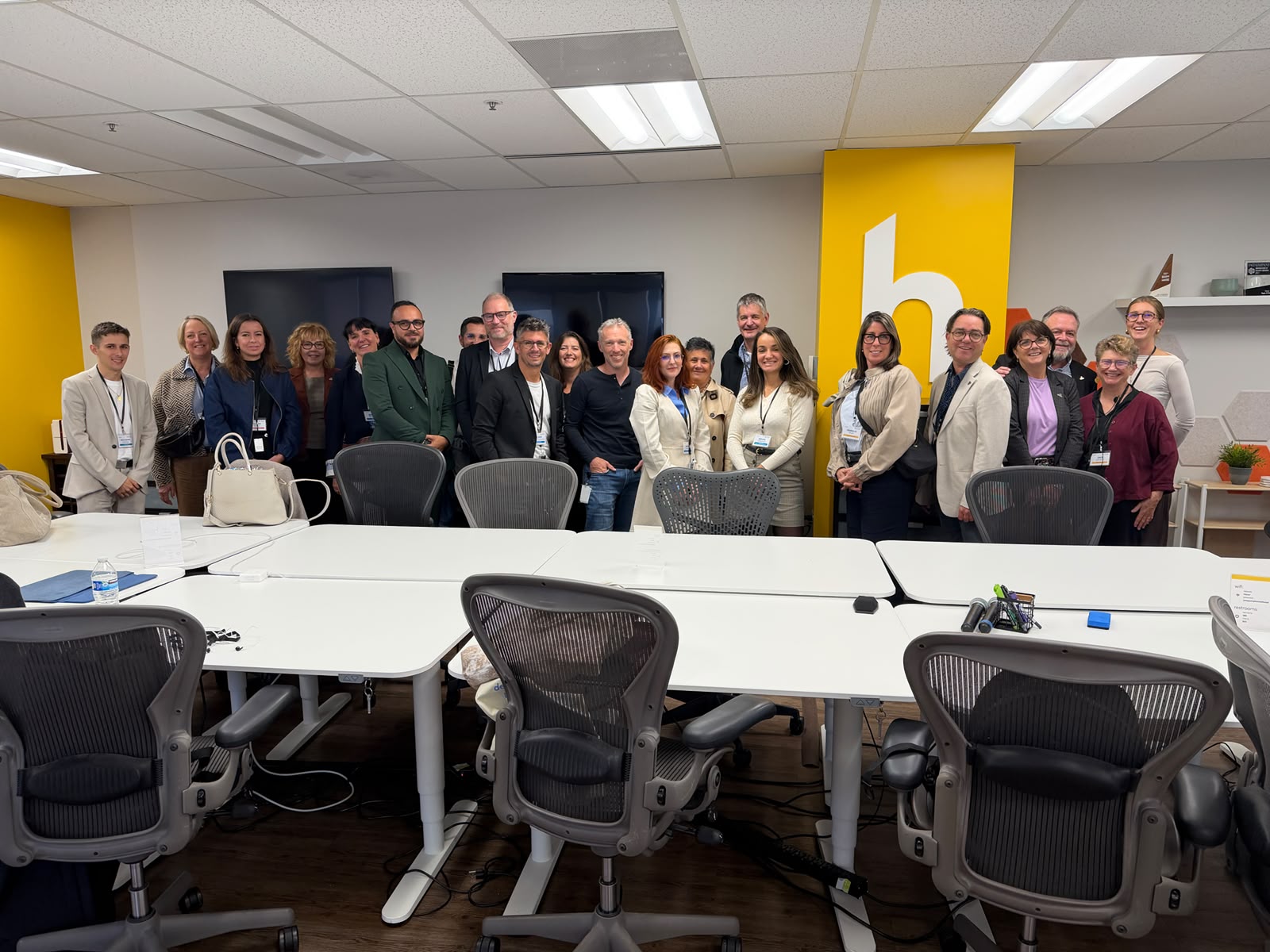
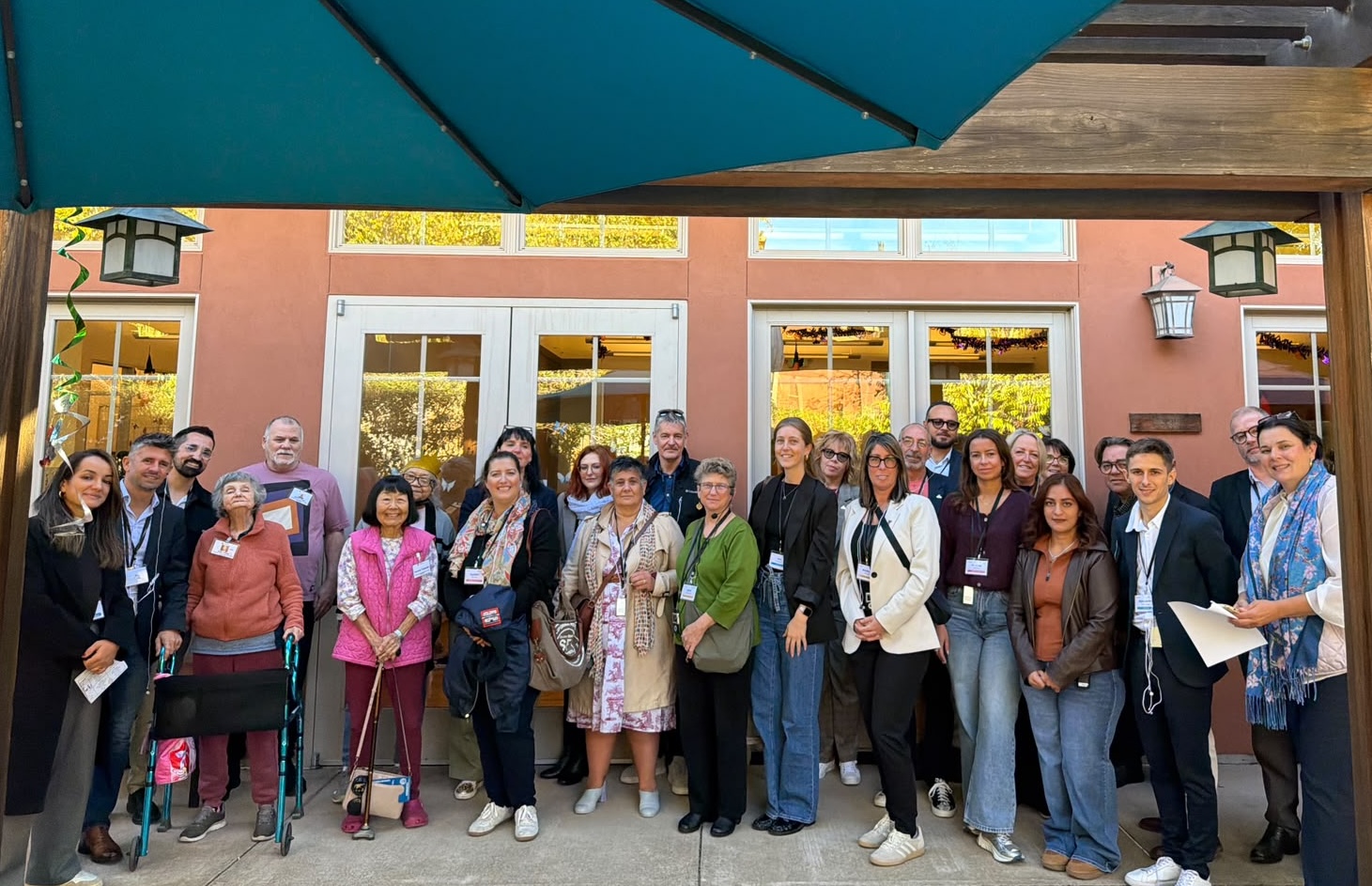
From 18 to 23 October 2026, Dialog Health accompanied 17 French-speaking delegates brought together with FEHAP, plus two accompanying experts, in San Francisco and Silicon Valley. The six-day mission brought together eleven professional meetings and visits on ageing, housing, community services and support technologies.
How can older people retain meaningful choices as their support needs change? From 18 to 23 October 2026, 17 French-speaking delegates brought together with FEHAP examined that question in San Francisco and Silicon Valley, accompanied by Dialog Health and two experts. The six-day mission brought together eleven meetings and visits across four days of professional programming, connecting research, technology, housing and service organisation.
Moving between homes, residential communities, day centres and care teams, the delegation compared responses to changing support needs. Continuity, mobility and human relationships ran through the programme. The American context provided a basis for considering the conditions needed to adapt these approaches within the delegates' own health and social care systems.
Research and technology: from a stated capability to a useful service
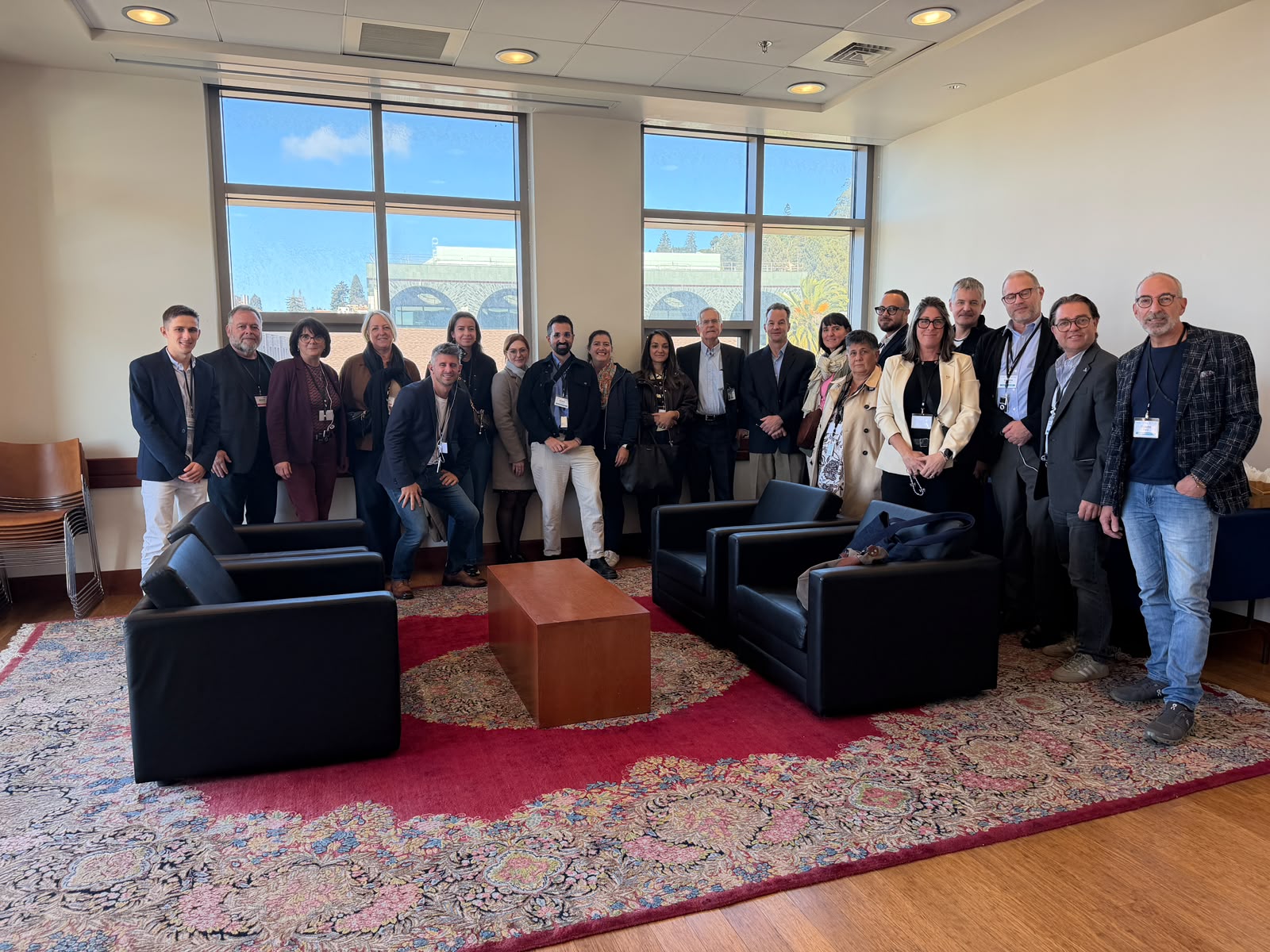
A meeting at UC Berkeley with Healthy Aging in a Digital World (HADW), a UC Davis Health programme, introduced the US eldercare landscape. The research presented included low-cost smart homes combined with nurse follow-up for heart failure, AI support in geriatric care and digital tools for mild cognitive impairment. These projects brought research into contact with human follow-up: information collected at home becomes useful only when someone can interpret it and organise an appropriate response.
At AgeTech SF, two panels considered independence and social connection, then the move from monitoring towards proactive care. Ato AI presented a voice companion and caregiver-facing functions; Homage Robotics introduced its mobile companion Jarvis. Kubo Care outlined contactless, privacy-first monitoring, Cove radar-based fall detection, and Soundable Health audio biomarkers. Clinical evaluation and integration into services remain central questions for these tools: what data is necessary, who receives an alert and what response can follow?
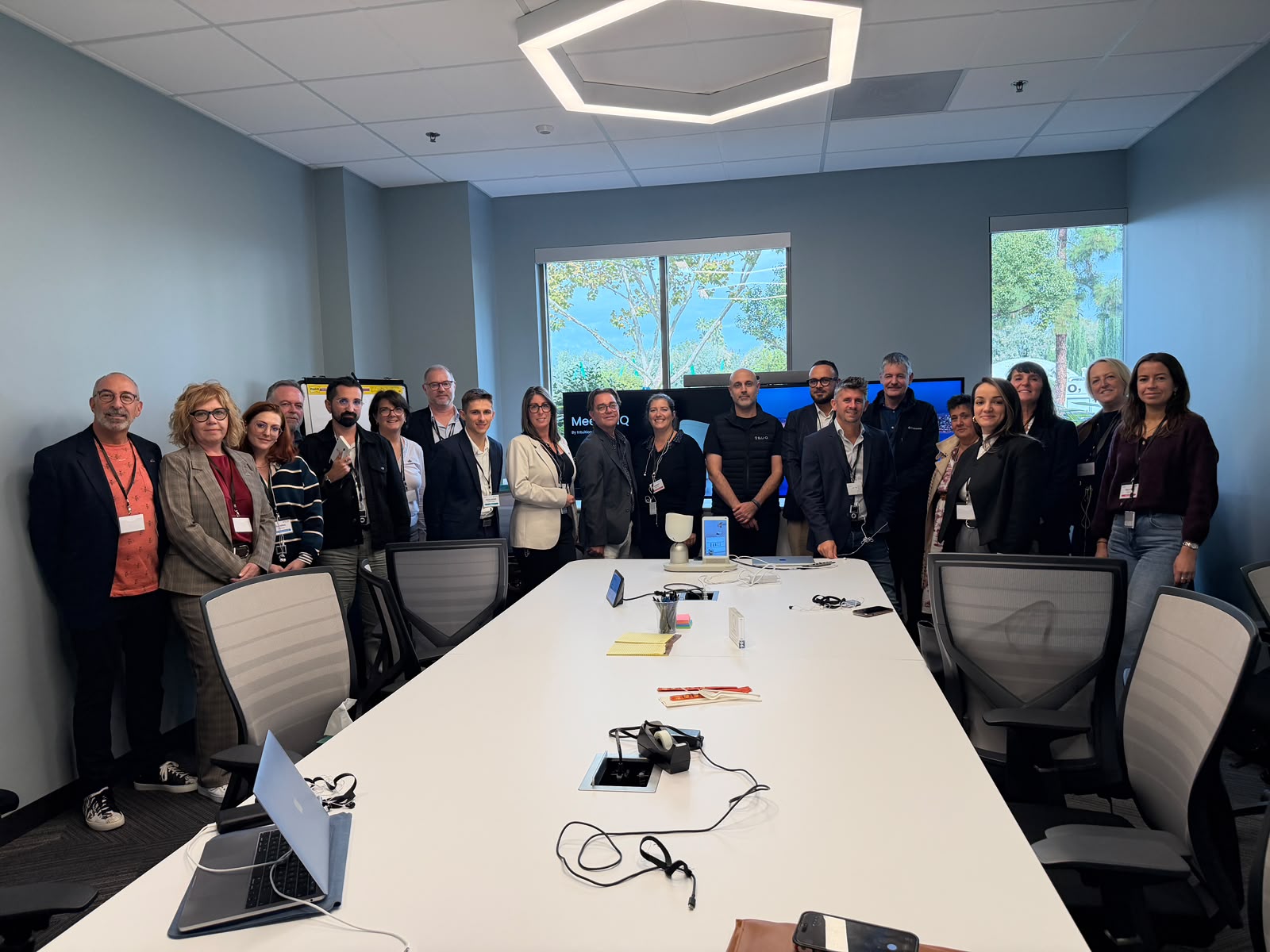
The overview and demonstration of ElliQ, developed by Intuition Robotics, made the idea of a proactive conversational companion concrete: reminders, activities and family communication. Discussion also addressed cognitive limitations, consent and data. Its place alongside human contact is crucial: supporting communication with relatives and professionals while respecting the person's choices.
Housing: making choice visible in the everyday environment
At The Redwoods, the site tour covered independent and assisted living, memory care and skilled nursing. Domestic architecture, personalised thresholds and homes, planted outdoor spaces and visible activities offered specific features to examine. These observations brought the balance between safety and autonomy into focus: finding one's way, reaching outdoor areas, choosing an activity and retaining signs of a personal history within a supported environment.
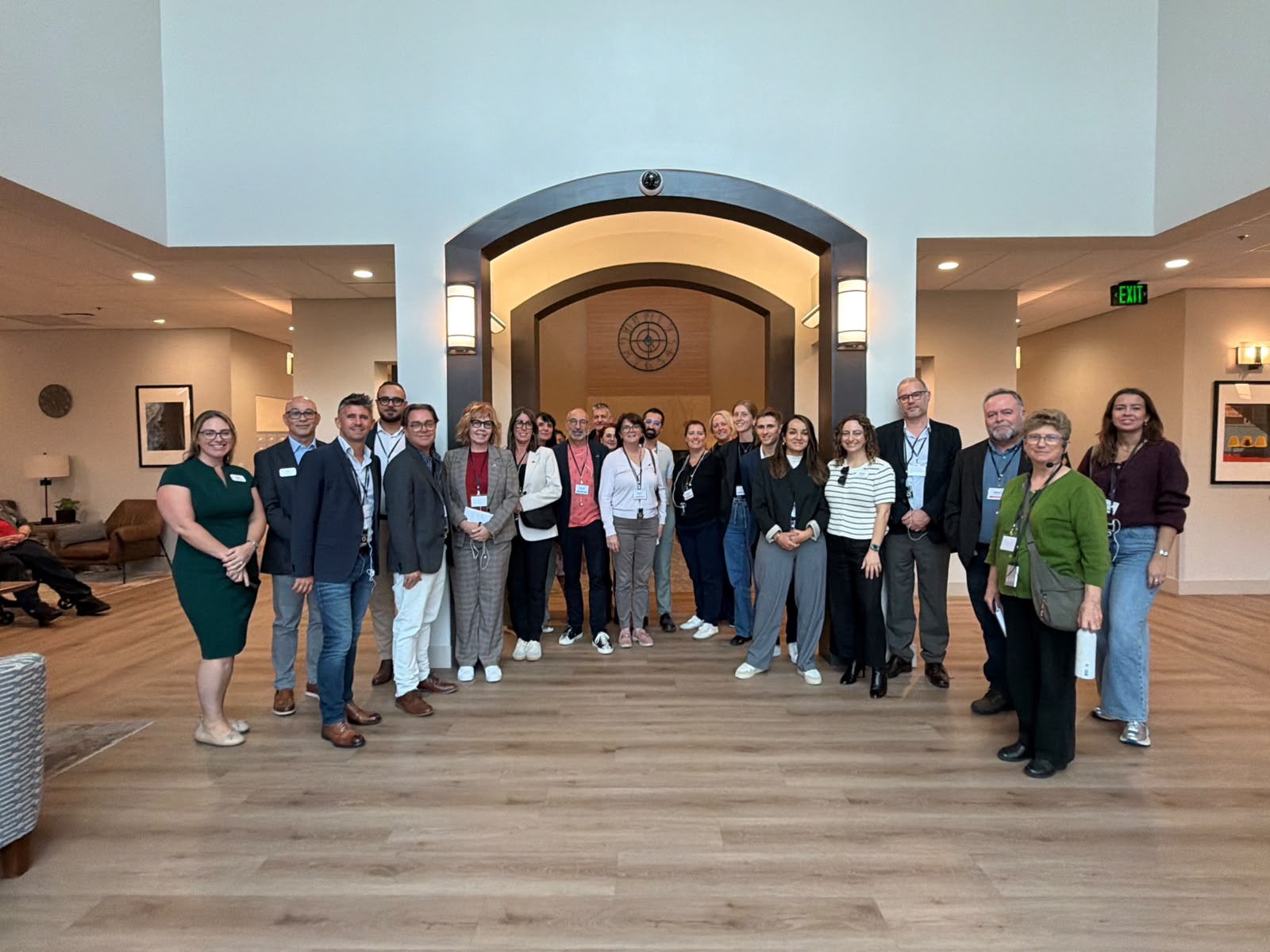
The visit to HumanGood – The Terraces of Los Gatos extended that comparison. This Life Plan Community combines independent living, assisted living, memory support, skilled nursing and rehabilitation. The tour and exchanges considered continuity as needs change, alongside individuality and autonomy. A continuum is therefore more than a property arrangement. It also raises questions about daily decisions, how support is adjusted and how the resident remains involved when their circumstances evolve.
The Forum at Rancho San Antonio introduced a different governance perspective: a resident-owned cooperative Life Plan Community with elected governance. The site visit examined residents' role in a model connecting prevention, housing and care. This arrangement raises specific questions about residents' rights and responsibilities, financial entry conditions and participation in collective decisions.
In an urban setting, The Sequoias San Francisco, part of Sequoia Living, added another view of continuing care. A tour of residences and shared spaces was followed by exchanges with leadership, nursing and the resident association about ageing in place and community life. The housing environment emerged as a setting for participation and continuity, rather than simply a place where a package of services is delivered.
Living at home: the services that make daily life possible
Two separate Avenidas visits explored complementary functions. At the Avenidas Rose Kleiner Center in Mountain View, adult day healthcare combines nursing, rehabilitation, activities, caregiver support and transport. Warm materials, a flexible activity hall with attention to acoustics and accessible circulation were observed as practical conditions for using the services. The visit brought the organisation of adult day healthcare into view alongside the spaces used for activities and conversation.
At Avenidas Palo Alto, exchanges focused on social work and caregiver coordination, Door to Door mobility, volunteers, learning and wellness, and Village support for ageing in place. This second visit broadened the meaning of remaining at home beyond healthcare. Being able to travel, find a person to speak to and access activities is part of the organisation of independence, not a peripheral addition to it.
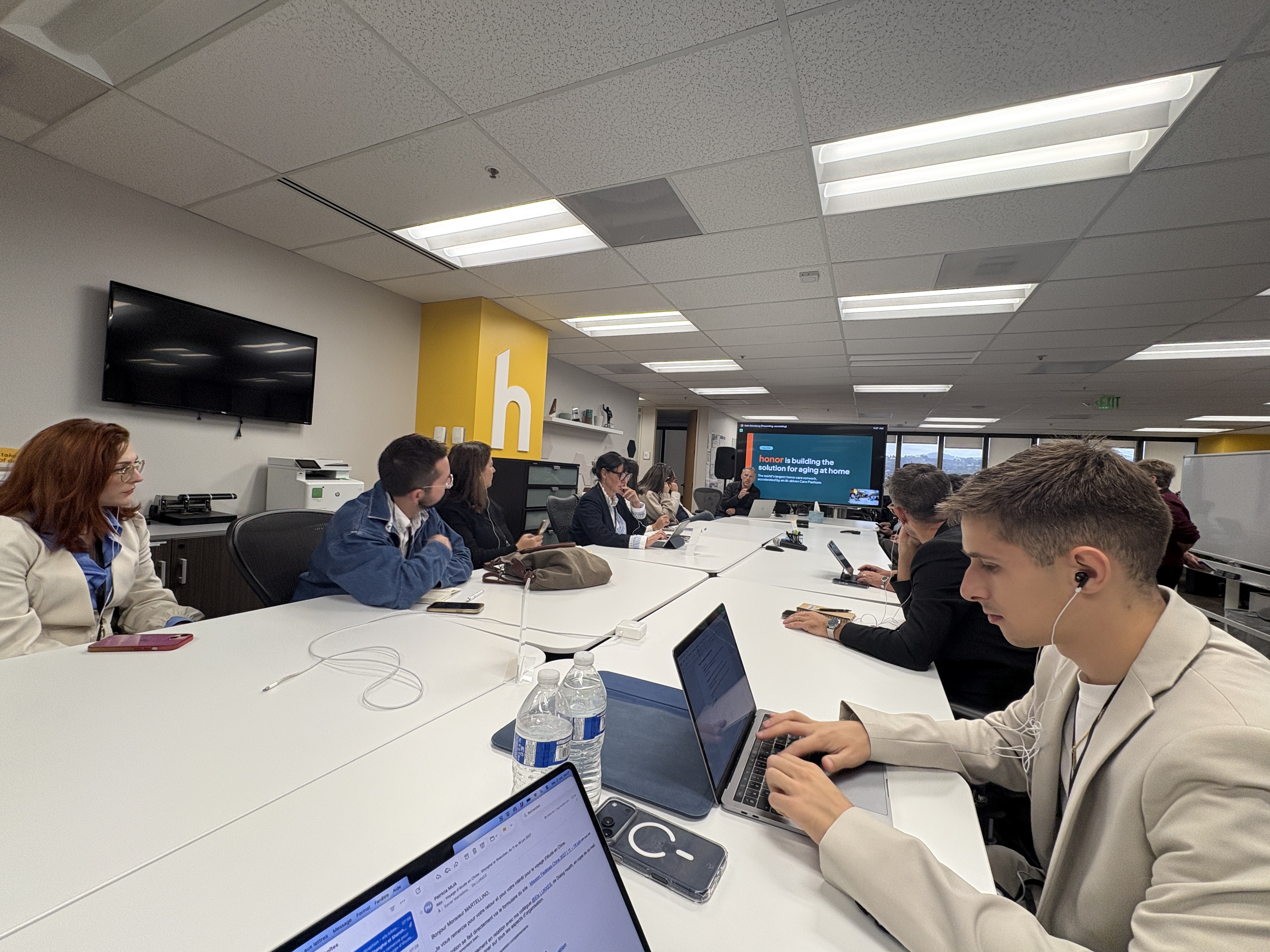
The discussion with Honor's leadership considered technology and AI in coordinating home care: matching professionals, organising work and maintaining continuity. Here, non-medical assistance must be distinguished from medical care. Coordination tools can be assessed through the work they support, the information they share and the relationships they help sustain. Their place in a service depends on the professionals and organisational processes around them, not on technology in isolation.
On Lok: coordination built around the person
The meeting and centre tour at On Lok PACE drew several strands together. Its integrated model connects medical and social care, a day centre, transport and home care through an interdisciplinary plan. Cultural, language and food needs were highlighted, alongside a strong human presence. Technology was considered as support for professional coordination, rather than as a set of devices to impose on older people. The encounter brought the service relationships behind integration into focus.
Specific questions for home systems
The mission provides points for further comparison: who ensures continuity between services, how can housing choice be preserved, and where does mobility fit? For AI, what clinical and ethical scrutiny precedes use, and who remains responsible for responding? Adapting these approaches requires attention to funding, workforce skills and local organisation. Further reflection can clarify responsibilities between services, the role of relatives and the resources needed to preserve personal choice in each local setting.
The program
Photo gallery